

A clear explanation of location based AR vs anywhere based AR
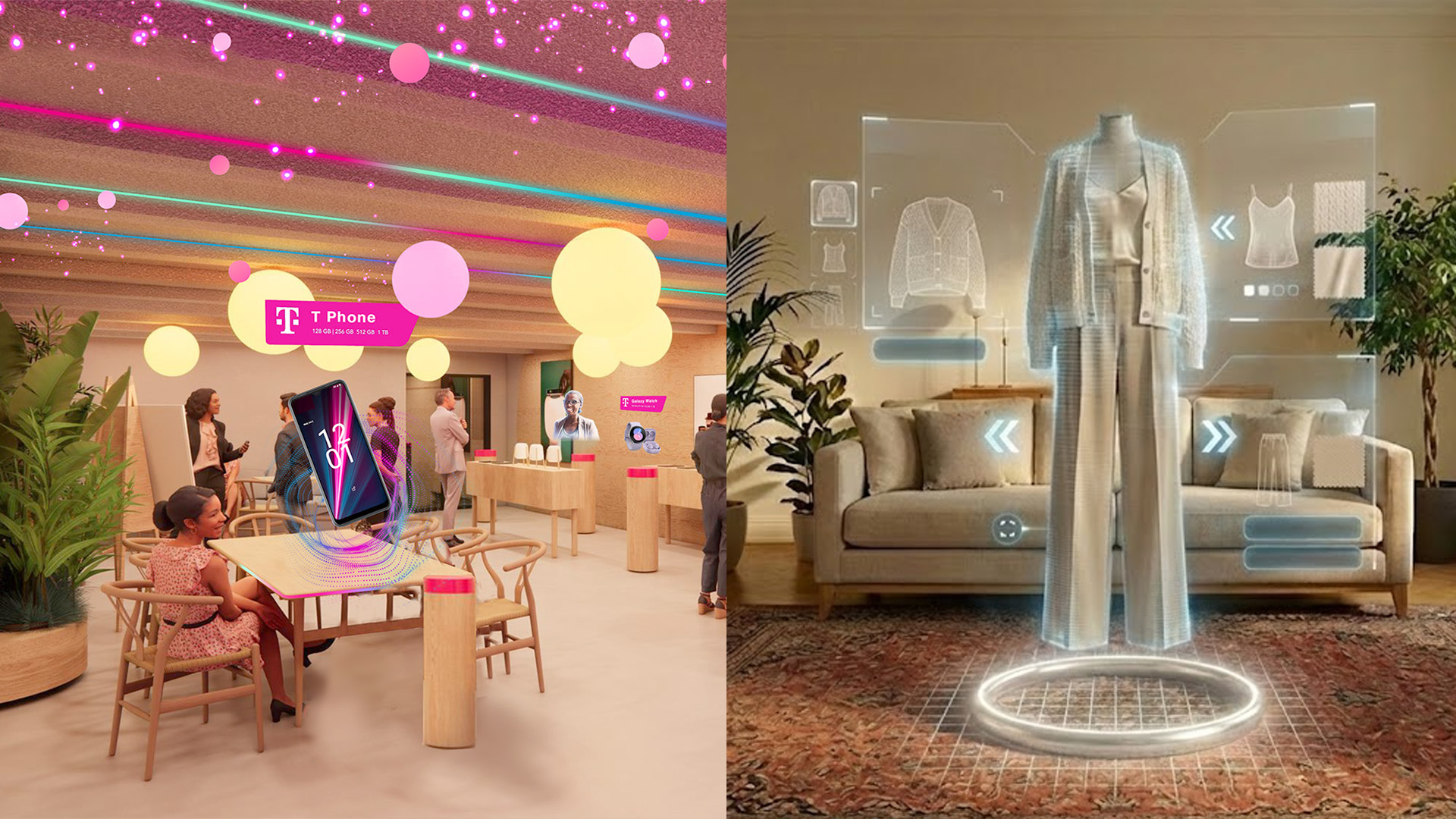
Location-based AR adds virtual content to real physical locations so that physical and digital content can be tightly integrated in a space. Anywhere AR is augmented reality content that can appear in any location and is not tied to physical spaces.
Location-based AR is the most authentic form of augmented reality and naturally blends physical and digital elements to form cohesive experiences. For content to be tied to a physical space, mobile devices and AR headsets leverage a device's sensors to facilitate SLAM, plane detection, and 6DoF motion. Through this type of world understanding, virtual objects and 3D models can be rendered realistically within a space. When users enter the space, the AR content will appear and align with the physical geometry.
Anywhere-based AR scenes don’t leverage a physical space and because of this, they can be distributed quickly to a broad audience anywhere in the world. This type of scene doesn't require advanced world-understanding or relocalization.
In some instances, anywhere-based scenes can be anchored to smaller sets of geometry. Users can anchor AR content to objects, like products, machinery, or automobiles. This hybrid approach allows AR experiences to appear wherever that object may be, even if it's not tied to a specific GPS location. In these scenarios the AR overlays can show useful information about the objects that they are anchored to.
Someone may wonder why context is so important in AR, and the answer is that augmented reality is predicated on extending physical objects with digital assets and information. This capability is not possible with any other medium.
Location-based AR is powerful because it ties digital layers to important places. A sculpture appears at a museum atrium. A historical marker sits at the exact street corner where historical events took place. A product tutorial can appear only when a user points at the correct engine part. These types of experiences gain strength from their contextuality. They reveal information to the user at a precise time and place.
Location-based AR also supports persistent installations. They act almost like a digital website that's anchored to a physical space. Content stays anchored for weeks, months, or years. Multiple visitors can see the same experience tied to that environment. Administrators can update and improve the experience based on the season or current events. This consistency encourages trust and repeat usage.
Anywhere based AR scenes have different strengths. They allow distribution at scale. A yoga instructor could appear as a virtual hologram in your living room. An AR product demo could pop up wherever a user happens to be at that moment. An instructional experience can be distributed to employees without requiring them to travel.These scenes are flexible, accessible, and can multiply rapidly across the world.
It's important to choose the right type of scene for your experience.
For location based AR:
Content should feel anchored and embedded in your environment. Place objects against surfaces and nestled among physical objects. In Trace, effects like occlusion, shadows, and lighting will help your content blend with the environment. Setting up reliable anchors is essential, otherwise visitors won't be able to see your AR content accurately. This ensures persistence and repeat use.
For anywhere AR without an Anchor:
Set up your virtual AR scene so it will appear at a comfortable distance for your users. Ensure objects are facing the right direction and make sure text is legible when it appears. In Trace 3D, viewers will be able to drag your Anywhere scene to any location, so be aware that it could be placed on a table, a floor, or in different sized spaces.
For anywhere AR with an Anchor:
Ensure that your image anchor is easy to find on the object. Add AR overlays and spatial information thoughtfully around the object so that they will appear reliably. Keep AR content near to the object since you don’t know how large a remote user’s space will be ahead of time.
Trace supports all three variations of these AR experiences. Creators can anchor scenes through locations, build object-triggered sequences, or create portable AR content that can be shared anywhere in the world.
• A location-based AR experience that is anchored to a national monument that reveals digital videos, audio and 1:1 scale models of historical artifacts.
• An anywhere scene that can pop up in your space to show you furniture at 1:1 scale that you can swipe through and customize.
• An anywhere scene that is anchored to your new printer that overlays instructions, tips, and live information about the printer's status.
• Anywhere AR experiences are not less powerful, they simply serve different use cases.
• Location based AR Relies on more than just GPS. It can anchor content using an image or a visual positioning system.
• AR that is anchored to objects is one of the most powerful forms of augmented reality. It facilitates contextual experiences and has the benefits of appearing anywhere on earth.
Location-based AR and Anywhere AR serve different purposes. One offers specificity and contextual clarity, while the other offers reach and flexibility. Together, they form a complete spectrum of Spatial experiences that can be deployed anywhere or precisely where they matter the most.
Learn about augmented reality or start creating your own experiences.